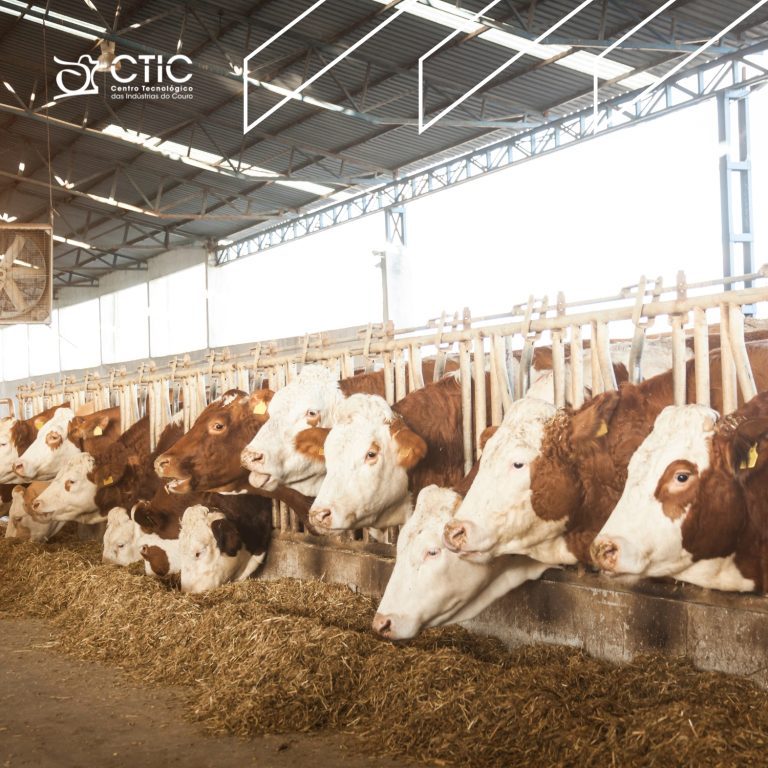
A study conducted in the United States on the leather industry found that the number of cattle raised for meat and dairy production would remain the same even if people completely stopped using leather.
Not only that, but it would also lead to the incineration or landfill disposal of 33 million unused American hides, generating more than 750,000 metric tons of CO2 emissions per year. Globally, this would represent the waste of 300 million hides and 6.6 million tons of excess emissions annually.
The report, “Quantifying the Relationship Between U.S. Cattle Hide Prices/Values and U.S. Cattle Production,” was led by Gary W. Brester, Professor Emeritus at Montana State University, and the renowned agricultural economist Kole Swanser, PhD, and commissioned by the Leather and Hide Council of America (L&HCA).
The data showed that despite a decline of more than 50% in hide prices in the United States over the last 25 years — indicating a drop in demand — cattle numbers remained unchanged.
Dr. Brester explained: “The results, tracked over 25 years, show that hides are a by-product and do not directly influence cattle numbers.” When asked what would happen if people completely stopped using leather, Dr. Brester replied: “We would have an environmental problem.”